
#Peak is coming: 5 things ecommerce brands can do now.
Peak season is coming.
Black Friday, Cyber Monday, Christmas and the festive shopping rush can be some of the busiest — and most important — weeks of the year for ecommerce brands.
In last month's blog, we talked about why August is the perfect time to start preparing for peak season shipping.
If you haven’t quite got there yet, don’t worry. There’s still time.
Here are five things you can do right now to get the ball rolling, reduce the risk of shipping problems and feel a little more prepared when those peak-season orders start coming in.
#1. Forecast your peak shipping volumes by country
Start with last year’s Black Friday, Christmas and peak-season volumes, then layer in your growth plans for this year.
Look at your biggest markets, best-selling products and the days you expect to see the biggest spikes. But don’t just look at the overall numbers. Every country has its own delivery networks, customs processes and potential bottlenecks.
Understanding your shipping volumes on a country-by-country basis can help you identify where you’re most likely to face pressure during peak season.
And if you’re unsure about the different requirements for each market, get some help. Cross-border shipping can be complicated, and a little preparation now can save a lot of headaches later.
#2. Lock in carrier capacity (and have a Plan B)
The last thing you want in November is to discover that your preferred carrier or shipping service doesn’t have the capacity you need.
Talk to your carriers now about expected volumes, collection capacity, delivery times and peak-season surcharges. And, wherever possible, have a backup carrier or service for your key markets.
Because when things get busy, having a Plan B can make all the difference.
#3. Make sure your international parcels are border-ready
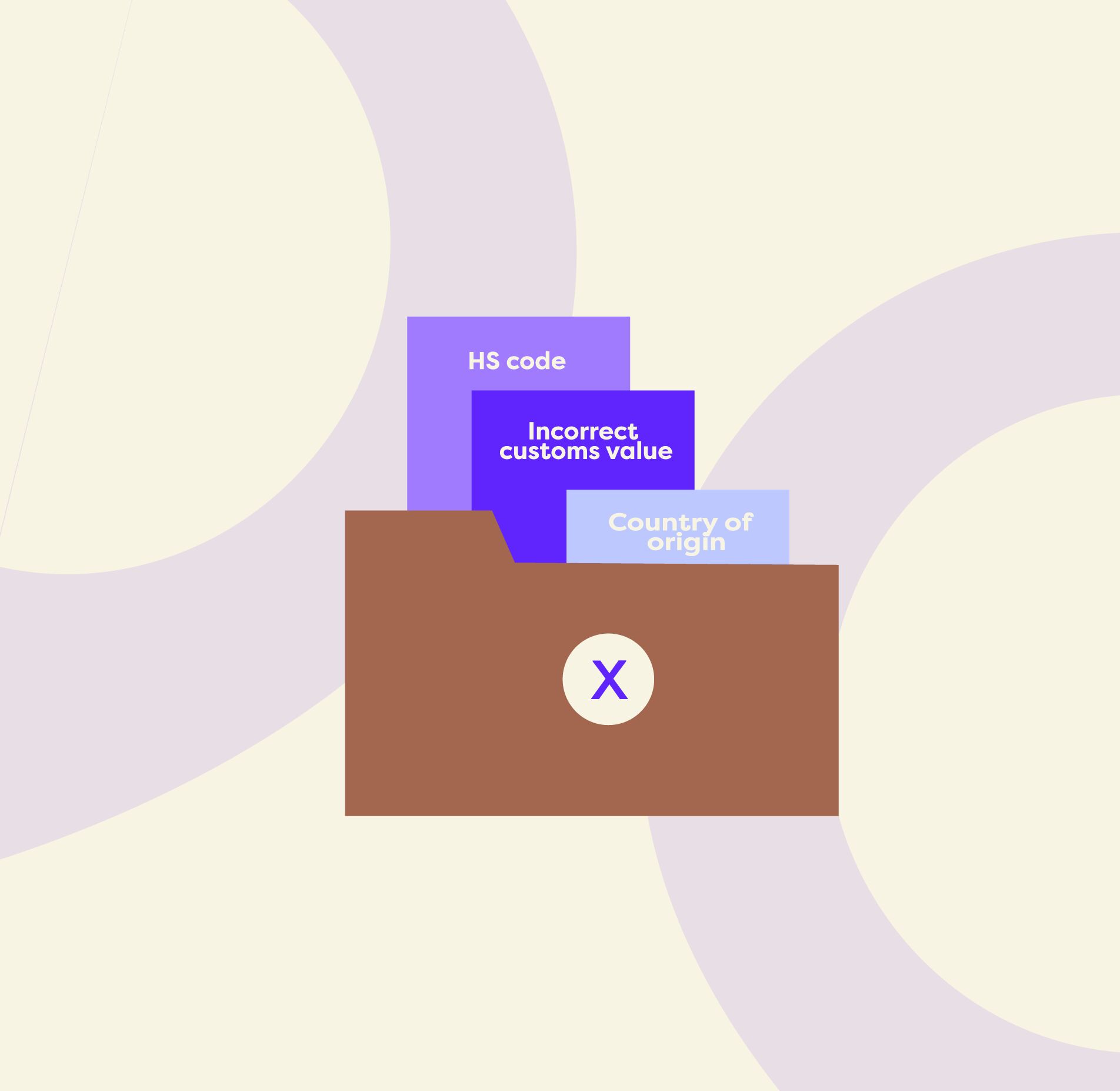
If you sell internationally, now is the time to check your HS Codes, product descriptions, declared values and country of origin data.
Getting this information wrong can result in incorrect duties and taxes, customs delays, additional costs and unhappy customers, exactly what you don’t need when order volumes are at their highest.
And yes, we know checking all of this can sound like a bit of a drag.
The good news? SAMOS SmartParcel brings this information together in one place, including estimated duties and taxes, to help you get your international shipments right first time.
#4. Work backwards from the delivery date
Don’t just think about when an order needs to leave your warehouse. Think about when your customer needs it to arrive.
Work backwards from your key Black Friday and Christmas delivery dates for each country and shipping service, allowing a little extra breathing room for those inevitable peak-season delays.
Then make sure your shipping cut-off dates are clearly communicated at checkout, on your website and in your customer communications.
A simple “Order by 15 December” isn’t much use if the cut-off is different for every destination.
#5. Plan for when things don’t go to plan
Peak season rarely goes perfectly. So, take a little time now to think about what happens when it doesn’t.
What if orders suddenly double? A carrier is delayed? A parcel gets held at customs?
Do you have a backup carrier? Can your customer service team see what’s happening? Do you have enough warehouse, packaging and returns capacity?
It’s much easier to answer these questions now than at 4pm on Black Friday.
And don’t forget returns.
Getting a parcel to the customer smoothly is only half the experience. If returning it is difficult, you risk undoing all that good work.
Returns aren’t an afterthought. They’re part of the customer experience too.
Need a hand getting ready for peak?
Whether you’re preparing for Black Friday shipping, Christmas deliveries, Chinese New Year or another busy ecommerce period, the team at SAMOS is here to help.
We understand that peak-season shipping can feel complicated, particularly when you’re selling across borders. From carrier capacity and delivery cut-off dates to customs, HS codes, duties and taxes, there’s a lot to think about.
If you’d like to talk through your plans or identify potential pressure points, get in touch.
A little preparation now can make peak season feel a whole lot less stressful.